Introduction
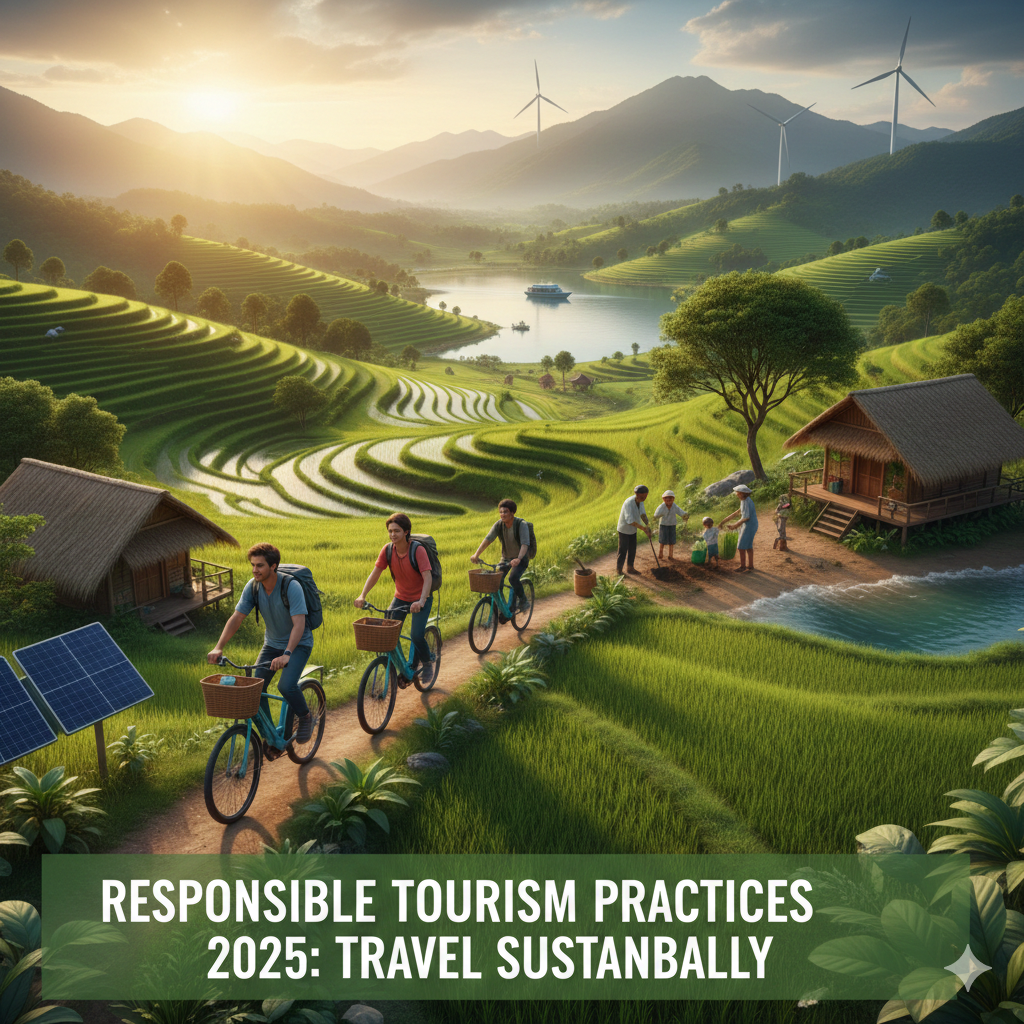
Responsible Tourism Practices 2025 responsibly is key to preserving destinations and supporting local communities in 2025. In this Sustainable & Eco-Friendly Travel category (/sustainable-travel) article, we highlight responsible tourism practices that help travelers minimize environmental impact, respect local culture, and promote economic sustainability. The focus keyword “Responsible Tourism Practices 2025” emphasizes practical strategies such as ethical wildlife tourism, cultural sensitivity, supporting local businesses, and reducing waste. By adopting these practices, travelers can contribute positively to destinations while enjoying meaningful, authentic experiences. Responsible tourism ensures that natural habitats, historic sites, and communities continue to thrive for future generations, making each trip both enjoyable and socially impactful.
Environmental Responsibility Responsible Tourism Practices 2025
Reduce Waste & Plastic Usage
Carry reusable water bottles, bags, and utensils.
Avoid single-use plastics and minimize disposable packaging.
Support Eco-Friendly Initiatives
Participate in beach clean-ups, tree planting, or conservation projects.
Choose accommodations and tours with sustainability certifications.
Cultural & Social Responsibility
Respect Local Traditions & Customs
Learn basic language phrases and cultural norms.
Dress appropriately and follow local etiquette.
Support Local Businesses
Eat at local restaurants, buy crafts from artisans, and hire local guides.
Contribute to the local economy instead of large multinational chains.
Wildlife & Nature Conservation
Ethical Wildlife Tourism
Avoid attractions exploiting animals, like riding or shows.
Opt for sanctuaries, rescue centers, or guided nature tours.
H3: Preserve Natural Habitats
Stick to marked trails and avoid littering in parks or protected areas.
Respect local flora and fauna while taking photos or exploring.
Why This Matters Now
In 2025, destinations face increased pressure from tourism. Following responsible tourism practices ensures environmental preservation, cultural respect, and sustainable economic benefits, allowing travelers to leave a positive legacy.
Common Mistakes Travelers Make
Over-tourism in sensitive areas → Fix: Travel off-season or to less-crowded destinations.
Ignoring cultural norms → Fix: Learn about local customs before visiting.
Supporting unethical wildlife attractions → Fix: Research animal-friendly options.
Excessive plastic use → Fix: Bring reusable alternatives and minimize waste.
FAQs
What are responsible tourism practices?
Actions that reduce environmental impact, respect culture, and support local communities.
How can travelers support local businesses?
Buy local products, hire local guides, and dine at small eateries.
Are there certifications for ethical tourism?
Yes, look for eco-labels, fair-trade certifications, and sustainable tourism programs.
How do I practice responsible wildlife tourism?
Avoid exploitation, choose sanctuaries, and follow conservation guidelines.
Can small actions really make a difference?
Yes, collective responsible behavior significantly benefits destinations and communities.
Conclusion
Adopting responsible tourism practices in 2025 ensures that travel is ethical, sustainable, and meaningful. By minimizing environmental impact, supporting local culture, and respecting wildlife, travelers can leave positive, lasting contributions to the destinations they visit.
Internal Link
Green Travel Gear & Essentials 2025
External Links
UNWTO – Responsible Tourism
WWF – Sustainable Travel Guidelines